Cardboard Box vs Expensive Cat Bed: Which Do Cats Truly Love?
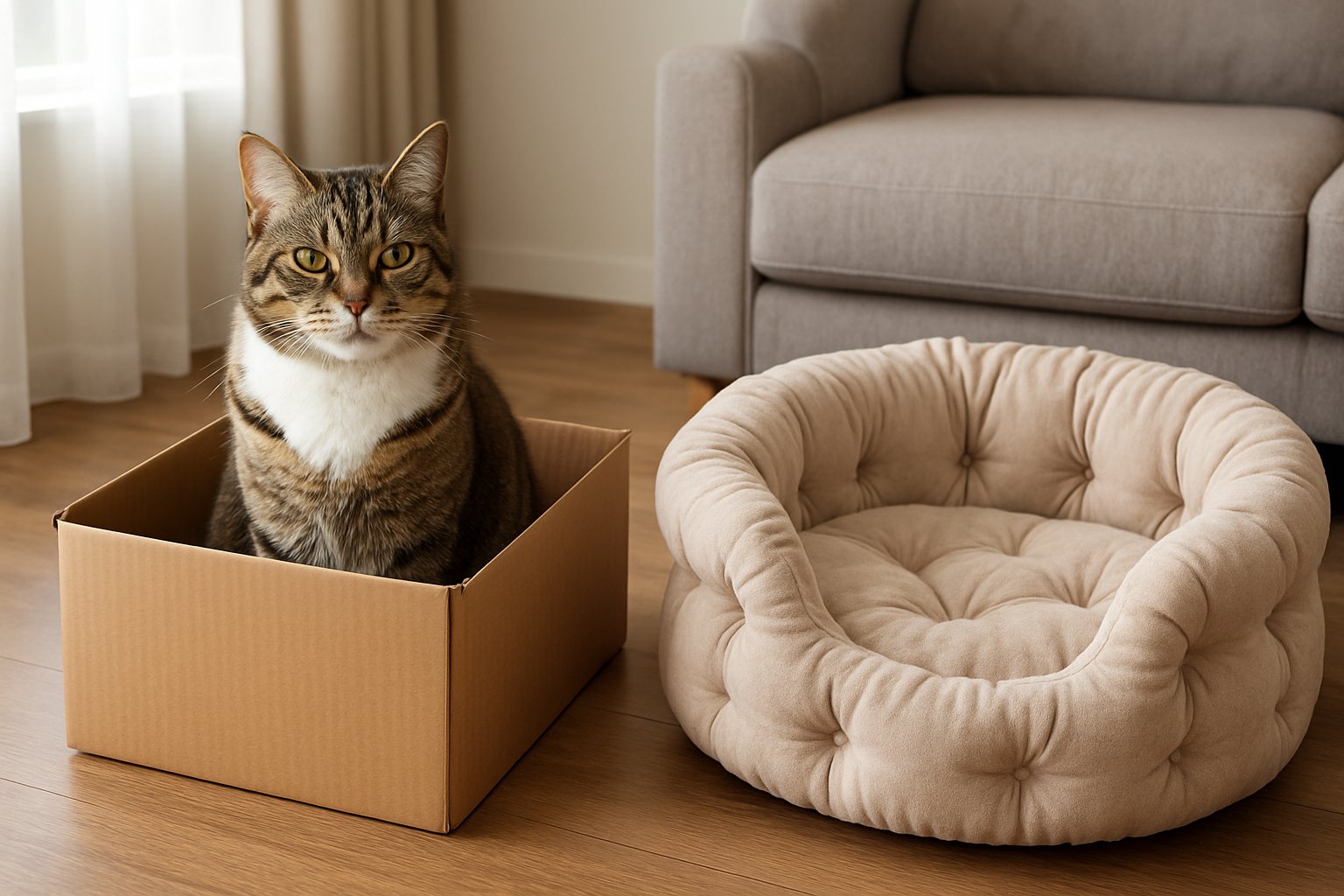
Have you ever splashed out on a luxurious cat bed only to find your feline friend snuggled up in the cardboard box it came in? This classic cat owner scenario plays out in homes across Australia, leaving pet parents scratching their heads and questioning their purchasing decisions. Cats consistently choose cardboard boxes vs expensive cat beds because boxes provide better security, temperature regulation, and satisfy their natural hunting instincts.
The preference for humble cardboard box vs expensive cat beds isn’t your cat being difficult or ungrateful. Cats are both predators and prey animals, which means they’re hardwired to seek out enclosed spaces that offer protection whilst allowing them to observe their surroundings. A cardboard box ticks all these evolutionary boxes, whilst that fancy open-style bed leaves them feeling exposed.
This cardboard versus luxury bed debate isn’t just about your cat’s quirky preferences. Understanding why your moggy gravitates towards boxes can save you money and help you make better choices for their comfort. The science behind this behaviour reveals fascinating insights into feline psychology that every cat owner should know.
Key Takeaways
- Cats prefer cardboard boxes because they provide security, warmth, and satisfy hunting instincts better than open beds
- Boxes act as stress-reducing safe spaces that help cats feel protected from all angles
- Understanding your cat’s box preference can help you choose better resting spots and save money on unnecessary expensive beds
Cardboard Box Appeal: The Science Behind Feline Fascination
Scientists have discovered that cats aren’t just being difficult when they choose cardboard over cushioned comfort. Their cardboard box obsession stems from deep evolutionary instincts that prioritise safety, warmth, and mental stimulation over human ideas of luxury.
Instincts and Security
Wild cats survived by finding enclosed spaces that offered protection from predators and perfect ambush points. Domestic cats inherited these same survival instincts, even though the biggest threat they face is running out of treats.
A cardboard box creates what researchers call a “security blanket effect.” The enclosed walls provide a sense of control over their environment that even the fluffiest cat bed can’t match.
Cats seek enclosed spaces because boxes offer the perfect vantage point to observe their kingdom whilst remaining hidden. They can plot their next zoomies session or judge their human’s questionable fashion choices from the safety of their cardboard fortress.
The walls of a box also satisfy a cat’s territorial instincts. They can mark their new kingdom with cheek rubs and claim ownership faster than you can say “expensive cat furniture.”
Reducing Stress and Anxiety
Studies show that boxes provide security and reduce stress in cats, particularly in shelter environments. Researchers found that cats with access to hiding boxes adapted faster to new surroundings than those without.
Stress reduction benefits include:
- Lower cortisol levels
- Faster adaptation to new environments
- Reduced aggressive behaviours
- Improved overall wellbeing
The simple cardboard box works better than anti-anxiety medication for many felines. When cats feel overwhelmed, they instinctively seek small, enclosed spaces where they can decompress.
Shelter cats particularly benefit from cardboard boxes during their transition period. The familiar smell and texture of cardboard provides comfort when everything else feels foreign and scary.
The Warmth Factor
Cats need to maintain a body temperature between 38-39°C, which is higher than humans. Cardboard acts as insulation that helps trap their body heat more effectively than many expensive beds.
The corrugated structure of cardboard creates air pockets that work like tiny thermal chambers. This natural insulation keeps cats warmer than materials that conduct heat away from their bodies.
Cardboard also absorbs and retains the cat’s scent, creating a personalised heating pad that smells like home. No fancy heated bed can replicate this perfect combination of warmth and familiarity.
Encouraging Playful Behaviour
Cardboard boxes transform into entertainment centres that stimulate hunting instincts and encourage exercise. The texture provides perfect scratching surfaces whilst the enclosed space becomes a launch pad for surprise attacks.
Boxes enhance play behaviour by making simple toys seem more exciting and prey-like. A ball rolling into a box suddenly becomes the most thrilling hunt of the day.
The crinkly sounds and varied textures of cardboard provide sensory enrichment that keeps cats mentally stimulated. They can shred, scratch, and reshape their box, essentially customising their own furniture.
Multiple boxes can be connected to create tunnel systems and multi-level play structures. This DIY approach often provides more entertainment value than expensive store-bought cat trees.
Luxury Cat Beds: Features, Flaws, and Feline Indifference
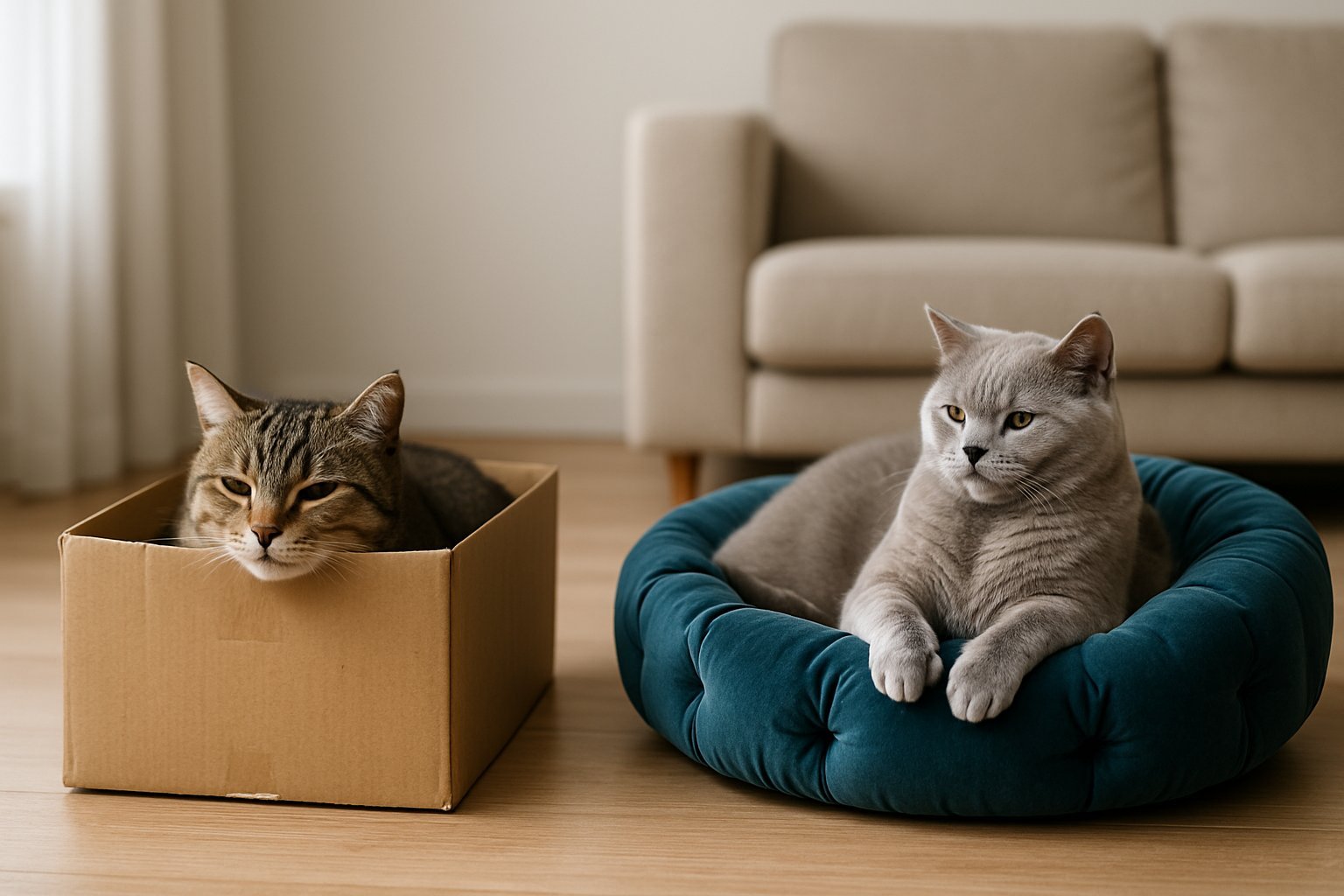
Expensive cat beds promise premium materials and superior comfort, yet many cats ignore these pricey purchases in favour of cardboard boxes. The real issues lie in scent concerns, unfamiliar textures, and the simple fact that felines have their own mysterious preferences.
What Makes a Cat Bed Expensive?
Luxury cat beds command high prices through premium materials like memory foam, organic cotton, and hand-stitched details. High-quality materials such as wool and cotton often replace synthetic fabrics found in budget options.
Designer beds frequently feature orthopedic support systems. These include gel-infused memory foam and therapeutic fibres designed for senior cats with joint problems.
Premium Features Include:
- Memory foam padding
- Organic or natural fabric covers
- Hand-crafted construction
- Designer aesthetics matching home décor
- Temperature-regulating materials
Some luxury options incorporate heating elements or cooling gels. The K&H Pet Products Thermo-Kitty Mat heats to 38°C, matching a cat’s body temperature.
Brand names and marketing also inflate costs. Many expensive beds cost 5-10 times more than basic versions with similar comfort levels.
Common Cat Reactions to Fancy Beds
Cats often display puzzling indifference toward expensive beds their humans carefully selected. Many pet owners report their cats sniffing the new bed once before walking away to sleep elsewhere.
The most common reaction involves initial curiosity followed by complete avoidance. Cats might investigate the bed for a few minutes, then return to their favourite cardboard box or laundry basket.
Some cats actively reject luxury beds by deliberately sleeping nearby but not on them. This behaviour suggests the bed fails to meet their specific comfort or security needs.
Typical Cat Responses:
- Brief sniffing followed by departure
- Sleeping next to (but not on) the bed
- Using the bed as a scratching post instead
- Complete ignorance of the bed’s existence
Ironically, cats often show more interest in the packaging than the actual bed. The cardboard box and tissue paper frequently become preferred sleeping spots.
Comfort and Usability
Despite premium materials, luxury cat beds sometimes fail basic feline comfort requirements. Cats prefer sleeping surfaces that match their natural preferences rather than human ideas of comfort.
Many expensive beds are too soft for cats who prefer firmer surfaces. Memory foam can feel unstable to cats who like to knead before settling down.
Size mismatches create problems even with well-intentioned purchases. Beds should either allow cats to stretch out completely or provide cosy enclosure for curling up, depending on individual sleeping styles.
Common Usability Issues:
- Overly soft surfaces that feel unstable
- Wrong size for the cat’s sleeping preferences
- High sides that elderly cats struggle to climb
- Slippery bottoms that slide on smooth floors
Some luxury beds prioritise appearance over functionality. Beautiful designs might lack the practical features cats actually need, like easy entry points or appropriate depth.
Scent and Territory Concerns
Cats rely heavily on scent for comfort and territory identification. New luxury beds often carry strong chemical odours from manufacturing processes and synthetic materials.
Cats have sensitive noses, making them particularly sensitive to artificial fragrances and chemical treatments common in expensive bedding. These unfamiliar smells can trigger avoidance behaviours.
Territory marking plays a crucial role in bed acceptance. Cats prefer sleeping spots that smell like them or their family group.
Scent-Related Problems:
- Chemical odours from manufacturing
- Synthetic material smells
- Lack of familiar family scents
- Overly “clean” surfaces without territory markers
The solution often involves patience and scent transfer. Rubbing the bed with a towel that carries the cat’s scent can improve acceptance rates significantly.
Head-to-Head: Cardboard Box VS Expensive Cat Beds
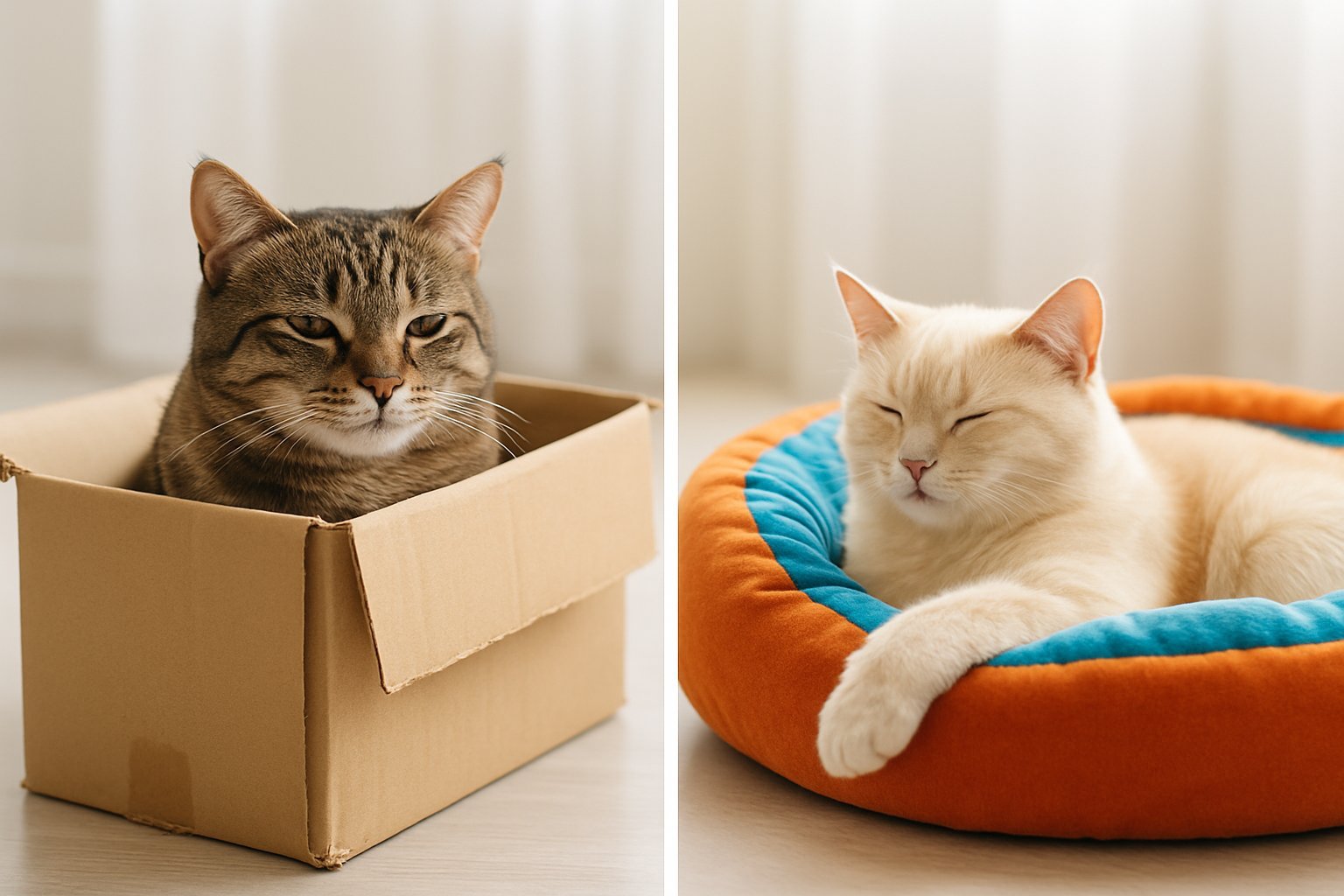
When it comes to the ultimate showdown between cardboard boxes and pricey cat beds, our feline friends have already cast their votes with their paws. The battle lines are drawn between what cats actually want and what humans think they need.
Safety and Privacy
Cardboard boxes win the privacy game hands down. They offer complete 360-degree protection that makes cats feel like tiny cardboard fortresses. No sneaky vacuum cleaners or overenthusiastic toddlers can launch surprise attacks from behind.
Expensive cat beds, on the other hand, often resemble fancy donuts or open-topped cushions. They leave cats feeling as exposed as a goldfish in a bowl. Sure, they look stylish in your lounge room, but cats don’t care about interior design trends.
Research shows that cats with access to hiding boxes have significantly lower stress levels than those without. The cardboard walls create a secure microenvironment where cats can observe their territory whilst remaining hidden.
Most premium cat beds focus on comfort over security. They might have memory foam or heated elements, but they can’t replicate the psychological safety that enclosed spaces provide.
Enrichment and Mental Health
Cardboard boxes are like Swiss Army knives for cat entertainment. Cats can scratch them, chew them, and turn them into personal scratching posts without anyone having a meltdown about the furniture.
The texture of cardboard provides sensory stimulation that cats crave. They can sink their claws into it, creating that satisfying ripping sound that makes them feel like proper predators. Try that with a $200 designer bed and watch your wallet weep.
Boxes also tap into cats’ natural hunting instincts. They become perfect ambush sites where cats can practice their stealth attacks on unsuspecting ankles. Cats are ambush predators who prefer waiting and pouncing rather than chasing.
Expensive beds rarely offer this level of interactive entertainment. They’re designed for sleeping, not for recreating epic jungle hunting scenarios in your hallway.
Ease of Cleaning and Maintenance
When it comes to maintenance, cardboard boxes are the ultimate disposable luxury. Cat had an accident? Chuck it in the recycling and grab another box from your Amazon delivery stash.
Expensive cat beds require proper washing, drying, and sometimes professional cleaning. Heaven forbid your cat decides to mark their territory on that fancy microfibre creation. You’ll be googling “how to remove cat wee from memory foam” at 2am.
Cardboard boxes are naturally replaceable and cost-effective. Most cat owners find them easily replaceable, making them a practical choice for feline enrichment. No special detergents or delicate wash cycles required.
The only maintenance boxes need is occasional replacement when they become too tatty. Even then, many cats prefer their boxes well-loved and properly broken in, complete with claw marks and that perfect cat-shaped dent.
Finding the Purrfect Resting Spot for Your Cat
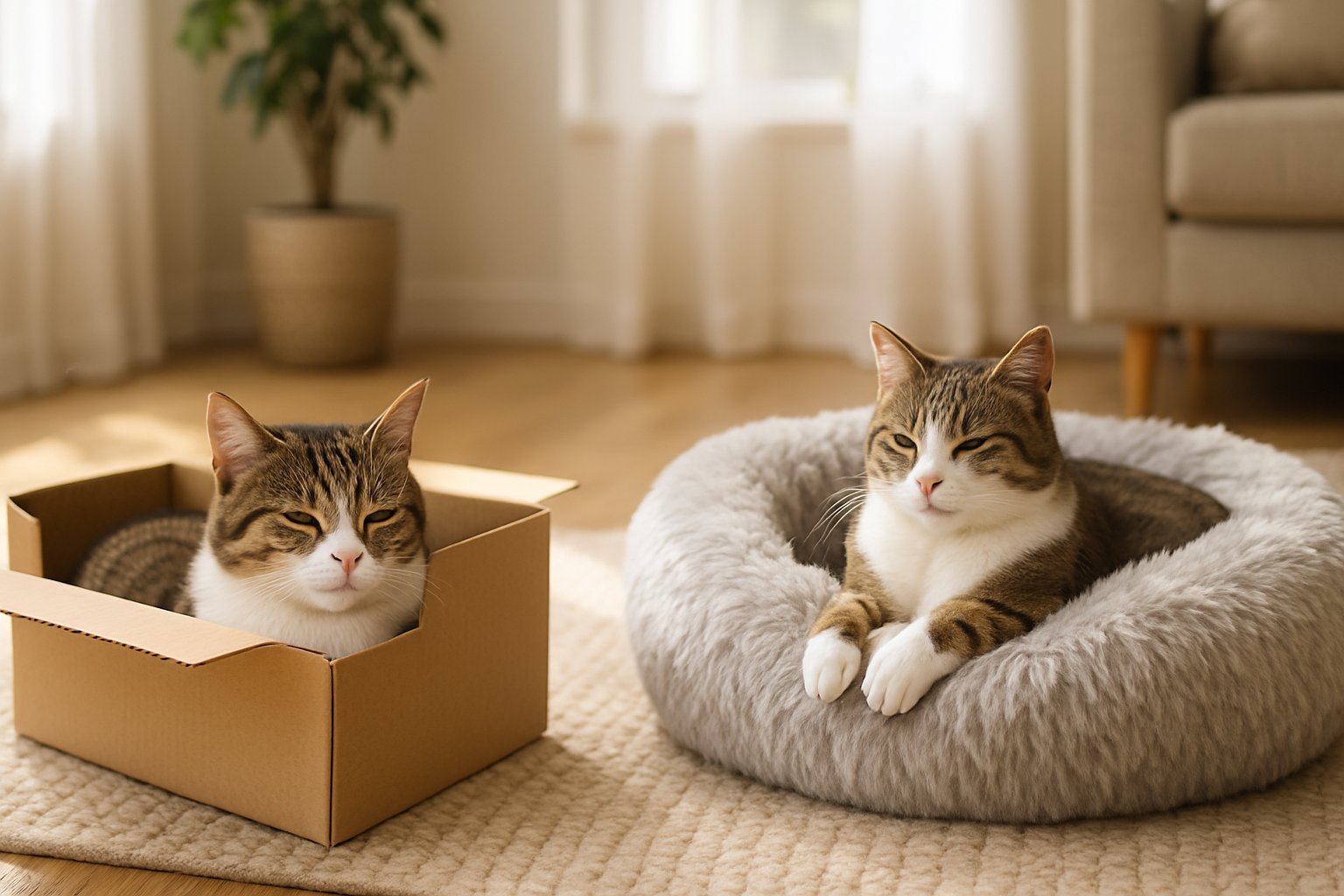
Creating the ideal sleep setup means balancing your cat’s natural instincts with practical home solutions. Smart placement and thoughtful choices can turn any space into a feline paradise without breaking the bank.
Practical Tips for Enriching Your Cat’s Environment
Cats are basically furry real estate agents – it’s all about location, location, location. Where you place their bed matters more than the bed itself, so don’t just plonk it anywhere and hope for the best.
Height is everything to these little climbing enthusiasts. Pop a cardboard box on a bookshelf or dresser, and watch your moggy claim it faster than you can say “expensive cat tree.” They feel safer when they can survey their kingdom from above.
Temperature zones are crucial for finding the purrfect resting spot. Cats gravitate towards warm spots like heat vents, sunny windowsills, or that laptop you’re desperately trying to use. Position boxes or beds near these toasty locations for maximum appeal.
Privacy matters too – cats need their own space to decompress. Tuck a cosy box in a quiet corner away from foot traffic and noisy appliances. Think of it as their personal meditation retreat, minus the expensive spa fees.
Providing multiple resting options gives your feline friend choices throughout the day. Some days they’ll fancy the fancy bed, other days it’s all about that random Amazon delivery box.
When to Splurge and When to Save
Here’s the truth bomb: your cat probably couldn’t care less about thread counts or designer labels. They’re more interested in whether something feels safe and smells like home (or better yet, like you).
Save your cash on basic sleeping spots. Cats spend 12 to 16 hours sleeping daily, so they’re not particularly fussed about luxury when they’re unconscious most of the time.
Splurge on placement accessories instead. A good cat tree or shelving unit gives multiple cardboard boxes prime real estate. You’re paying for the location, not the accommodation.
| Save Money On | Worth Spending On |
|---|---|
| Basic beds and blankets | Cat trees and shelves |
| Fancy fabrics | Multiple placement options |
| Designer brands | Heating pads (if needed) |
Invest in washability rather than expense. Cheap blankets you can chuck in the washing machine beat pricey beds that require special care. Your cat will appreciate the fresh scent more than the price tag.
Making the Most of Everyday Boxes
Cardboard boxes are nature’s perfect cat furniture – they’re free, replaceable, and come with that irresistible “new box smell” that drives cats absolutely mental. Don’t underestimate these humble containers.
Size matters when selecting boxes for your feline overlord. Cats prefer snug spaces where they can touch the sides – it makes them feel secure. Think cosy cave, not aircraft hangar.
Strategic box placement turns rubbish into treasure. Pop a soft towel inside and position it in their favourite sunny spot. Suddenly that free shipping container becomes prime real estate.
Rotation keeps things fresh – swap out boxes every few weeks to maintain that new-box excitement. Your cat gets variety, and you get to feel smug about recycling. It’s a win-win situation that doesn’t cost a penny.
Cut entrance holes at different heights or create multi-level box towers for adventurous climbers. You’re basically building a cardboard mansion that rivals any expensive cat furniture setup.
Frequently Asked Questions
+Why do moggy mates scoff at plush beds and kip in a daggy cardboard carton instead?
Cats choose cardboard boxes over expensive beds because boxes tick all their evolutionary boxes. The enclosed walls make them feel safe from predators, even though the biggest threat in most Aussie homes is the vacuum cleaner.
Cardboard also works as brilliant insulation. Cats prefer temperatures around 30-36°C, which is hotter than most humans can handle without breaking a sweat.
The rough texture lets them scratch and mark their territory. Meanwhile, that fancy plush bed might smell like the factory or have overwhelming scents that put their sensitive noses offside.
+Can a bloke turn a common box into a ripper sleep spot for the furball?
Absolutely! A simple cardboard box becomes a five-star feline hotel with a few tweaks. Chuck a soft towel or old jumper inside to add comfort whilst keeping the security factor.
Cut extra holes for escape routes because cats love having multiple exit strategies. It’s like they’re planning a heist rather than having a nap.
Position the box somewhere elevated where the cat can survey their kingdom. Cats fancy themselves as tiny lions watching over the Serengeti, even if it’s just the lounge room.
+Is splashing out on a fancy cat throne worth it when they’ll just snub it for a box?
The brutal truth is that cats often prefer boxes regardless of how much cash gets thrown at designer beds. That $200 orthopedic memory foam bed might end up as the world’s most expensive dust collector.
However, some cats do appreciate quality beds if they mimic box-like qualities. Look for beds with high sides or enclosed designs that satisfy their need for security.
The key is understanding that cats value function over flash. They couldn’t care less about matching the lounge room décor if the bed doesn’t meet their primal needs.
+How does one craft a cardboard palace for their kitty without it looking like a complete dog’s breakfast?
Start with clean, sturdy boxes that won’t collapse under feline weight. Amazon delivery boxes work a treat and arrive regularly for most households.
Connect multiple boxes with holes to create a cardboard mansion. Sand down any rough edges so the cat doesn’t get scratched during their royal entrances and exits.
Paint the outside with pet-safe paint if aesthetics matter. The cat won’t judge the décor, but visitors might appreciate the effort to make it look intentional rather than like recycling day gone wrong.
+Got any tips for convincing your feline overlord to actually use the swanky bed you bought?
Place the expensive bed inside a cardboard box temporarily. This sneaky move combines the security cats crave with the comfort humans want to provide.
Rub the bed with the cat’s favourite blanket or clothing to transfer familiar scents. Cats make decisions with their noses first, so familiar smells equal instant approval.
Try positioning the bed in the cat’s favourite sunny spot or near a window with bird-watching opportunities. Location often trumps luxury when it comes to feline real estate preferences.
+Will giving my cat a choice between a cardboard retreat and a luxe bed cause a feline identity crisis?
Cats love having options and will often use different sleeping spots throughout the day. They might choose the cardboard box for security and the fancy bed for ultimate comfort.
Providing variety actually reduces stress rather than causing confusion. Cats appreciate having multiple territories within their home domain.
The real identity crisis happens to the humans who realise their cat’s happiness doesn’t correlate with their credit card statements. Sometimes the best things in life really are free, at least according to the family moggy.